
Top social networking sites 2025 sets the stage for this enthralling narrative, offering readers a glimpse into a story that is rich in detail and brimming with originality from the outset.
As we look ahead to 2025, the social networking landscape is rapidly evolving, defined by innovative features, diverse user demographics, and shifting engagement patterns. Established platforms are facing competition from new entrants, each vying for user attention with unique offerings and strategic marketing approaches.
Overview of Top Social Networking Sites in 2025
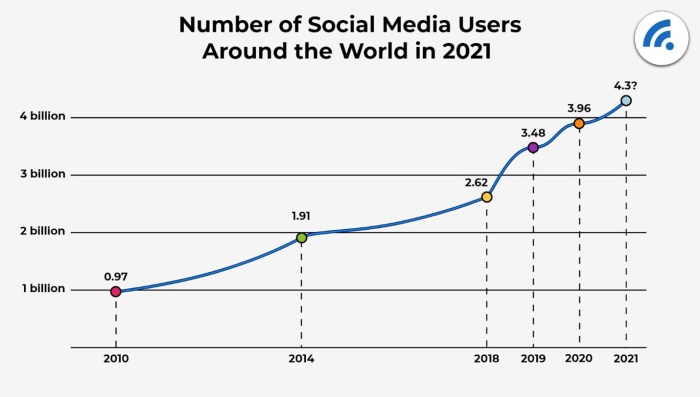
As we dive into the landscape of social networking sites in 2025, it is essential to recognize the evolution of these platforms, which have expanded significantly to meet user demands for connectivity, engagement, and unique functionalities. The leading social networks are not only about personal connections but also foster professional interactions, creative expressions, and community building, driven by advanced technologies and user preferences.The top social networking sites in 2025 are expected to boast an array of features tailored to enhance user experiences.
These include augmented reality (AR) filters, artificial intelligence (AI)-powered content recommendations, and advanced privacy controls. Users will find themselves engaging in immersive virtual environments, seamlessly integrating their online and offline lives. Moreover, platforms will leverage user-generated content to create localized communities, catering to diverse interests and backgrounds.
User Demographics and Engagement Trends
Understanding who is using these social platforms is crucial for predicting engagement trends. The demographic breakdown of users is shifting, with millennials and Gen Z continuing to dominate but also an increasing presence of older users. As social media becomes more ingrained in daily life, platforms will see higher engagement from a wider age range. The trends indicate that engagement levels will be influenced by several factors, including:
- Personalization: Users will expect personalized content feeds that reflect their interests and behaviors, leading to increased time spent on platforms.
- Video Content: The popularity of live streaming and short-form videos will soar, with users preferring dynamic content that captures attention quickly.
- Community Focus: Niche communities will thrive, as users seek belonging and like-minded individuals, driving engagement through group interactions.
Growth of Emerging Social Networking Sites Versus Established Players
While established social networking giants like Facebook, Instagram, and Twitter maintain significant user bases, emerging platforms are carving out their niches, attracting users with innovative features and fresh experiences. The competition between these entities is reshaping the social media landscape.Emerging sites often capitalize on trends neglected by larger platforms. For instance:
- Substack: This platform has gained traction by offering newsletter-based communities, appealing to users wanting direct communication and less overwhelm from traditional social feeds.
- Clubhouse: Although initially a fad, it has evolved, now utilizing audio-centric interactions to create meaningful, real-time discussions that foster deeper connections.
- TikTok: Continuing its rapid growth, TikTok combines entertainment and social networking, leading to a creative revolution among younger users, which established platforms are striving to replicate.
As we observe these dynamics, it is evident that the social networking landscape of 2025 will be a rich tapestry of innovation, user engagement, and community interaction.
The Role of Social Media in Marketing Strategies
In the digital age, social media has transformed into a powerful tool for businesses to enhance their marketing strategies. With billions of active users, platforms like Facebook, Instagram, Twitter, and TikTok provide companies with unparalleled access to diverse audiences. Businesses can create targeted marketing campaigns that resonate with specific demographics, thereby increasing engagement and conversion rates.Social media allows companies to build brand awareness, foster community interaction, and drive traffic to their websites.
The emphasis on visual content and interactive features has paved the way for innovative marketing techniques that capture consumer attention more effectively. Businesses that understand how to utilize these platforms can achieve remarkable results in their marketing efforts.
Leveraging Social Media for Effective Marketing Campaigns
Businesses can implement various strategies to harness the full potential of social media for marketing. Here are several effective methods:
- Content Marketing: Engaging content tailored to target audiences can boost sharing and interaction. Companies can utilize videos, infographics, and stories to attract attention and convey their brand message.
- Influencer Collaborations: Partnering with social media influencers can enhance credibility and reach. Brands like Fashion Nova have successfully collaborated with influencers to promote products, resulting in significant visibility and sales growth.
- Targeted Advertising: Social media platforms provide advanced targeting options for ads. Businesses can focus on specific demographics, interests, or behaviors, optimizing their marketing budgets for maximum impact.
- User-Generated Content: Encouraging customers to share their experiences with products promotes authenticity. Brands such as Starbucks leverage user-generated content by featuring customer photos on their official pages.
Examples of Successful Social Media Promotions
Several brands have executed standout social media promotions that resulted in substantial increases in brand visibility and customer engagement. Notably:
- Coca-Cola’s “Share a Coke” Campaign: By personalizing bottles with common names, Coca-Cola encouraged customers to share their experiences on social media, leading to a 7% increase in sales and widespread online engagement.
- Dove’s “Real Beauty” Campaign: Dove utilized social media to challenge beauty stereotypes, resulting in significant conversations around body positivity and boosting brand loyalty among consumers.
- ALS Ice Bucket Challenge: This viral campaign used social media to raise awareness for ALS, raising over $115 million in donations while engaging millions worldwide through user participation.
Key Performance Indicators for Measuring Success
To evaluate the effectiveness of social media marketing campaigns, businesses should focus on specific key performance indicators (KPIs). Tracking these metrics helps in understanding audience engagement and campaign performance. Important KPIs include:
- Engagement Rate: Measures the level of interaction (likes, shares, comments) relative to total followers, indicating content effectiveness.
- Reach and Impressions: Reach refers to the number of unique users who see content, while impressions track how often content is displayed, helping assess overall visibility.
- Conversion Rate: The percentage of users who take a desired action (purchases, sign-ups) after interacting with a social media post, showcasing campaign effectiveness.
- Click-Through Rate (CTR): Measures how often users click on links within posts, indicating content relevance and interest.
“Social media is a catalyst for innovation in marketing, enabling businesses to connect personally and effectively with their audiences.”
Digital Security and Privacy on Social Networking Platforms
In the rapidly evolving landscape of social networking, digital security and privacy have become paramount concerns for users and platforms alike. As we move into 2025, top social networking sites are implementing robust security measures to protect user data from breaches and unauthorized access, while also empowering users to take control of their privacy settings.Social networking platforms are now prioritizing the security of user data through a variety of advanced measures.
These include end-to-end encryption for private messages, multi-factor authentication, and AI-driven monitoring systems that detect suspicious activity in real-time. By adopting these technologies, platforms aim to create a safer environment where users can connect without the fear of data theft or privacy violations.
Security Measures Implemented by Social Networking Sites
Understanding the specific security measures taken by these platforms helps users appreciate the efforts made to safeguard their information. Here are some key initiatives:
- End-to-End Encryption: This technology ensures that only the sender and recipient can read messages, leaving no room for interception by unauthorized entities.
- Regular Security Updates: Frequent updates help address vulnerabilities and improve overall platform security.
- Two-Factor Authentication (2FA): Requiring a second verification step adds an additional layer of security to user accounts.
- Privacy Policy Transparency: Clear and transparent privacy policies allow users to understand how their data is used and shared.
User privacy settings play a crucial role in protecting personal information and managing digital footprints. Each social networking site provides various options for users to customize their privacy preferences, enabling them to decide who can view their content and interact with them.
Importance of User Privacy Settings
Optimizing privacy settings is essential for maintaining control over personal data. Users should take the time to review and adjust these settings regularly. Here are some best practices:
- Limit Profile Visibility: Set profiles to private and restrict access to only approved friends or followers.
- Control Post Visibility: Choose who can see individual posts, whether it’s the public, friends, or specific groups.
- Review App Permissions: Regularly check and manage permissions granted to third-party applications linked to accounts.
- Utilize Block and Report Features: Actively block or report users who engage in harassment or spam activities to improve the community experience.
Different social networking platforms take varied approaches to handle spam and malicious content. These strategies are critical to maintaining a safe online environment.
Approaches to Handling Spam and Malicious Content
Each platform has developed unique methods for combating spam and ensuring user safety. Below are some prominent strategies employed:
- Automated Detection Algorithms: Algorithms that analyze user behavior to identify and flag suspicious accounts or content.
- User Reporting Systems: Encouraging users to report spam or abusive content, which can then be reviewed by moderation teams.
- Content Moderation Teams: Dedicated teams that monitor and manage user-generated content to ensure compliance with community guidelines.
- Community Guidelines Enforcement: Strict enforcement of policies against spam and harmful content to foster a safer online community.
These comprehensive security measures, combined with user awareness and proactive engagement with privacy settings, create a more secure and comfortable experience for social media users in 2025.
Concluding Remarks
In conclusion, the future of social networking sites is poised for exciting changes, with businesses and users alike adapting to new functionalities and security measures. Staying informed about these trends is essential for leveraging social media effectively, ensuring a robust presence in the digital world.
Question & Answer Hub
What are the top social networking sites expected in 2025?
Platforms like Facebook, Instagram, TikTok, and newer entrants like Clubhouse and BeReal are expected to be prominent in 2025.
How will user demographics change in the next few years?
User demographics are likely to diversify, with younger audiences gravitating towards new platforms while older generations remain active on established ones.
What role does social media play in business marketing?
Social media is crucial for brand visibility, customer engagement, and targeted marketing strategies that drive sales and loyalty.
What security measures are top social networks implementing?
Leading platforms are enhancing encryption, two-factor authentication, and user privacy settings to protect user data and combat malicious content.
How can users optimize their privacy settings on these platforms?
Users can review and adjust their privacy settings regularly, limit data sharing, and use features that enhance their online security.


